Professional Tick Control and Tick Extermination Services
Ticks are small, blood-feeding arachnids related to spiders and mites. They are commonly found in grass, leaf litter, shrubs, wooded areas, and other outdoor environments where people and animals may encounter them. Some ticks can also enter homes on pets or clothing, creating an indoor pest problem that may require professional treatment. If you are finding ticks around your property, professional tick control can help identify areas of activity and reduce the risk of further exposure. Though tiny, these blood-sucking parasites can cause enormous problems for both humans and animals. Many people associate ticks only with outdoor hikes or pets, but the truth is that they can easily spread into living spaces and multiply rapidly. Once they do, they bring more than discomfort - they bring disease, anxiety, and the risk of long-term health complications. Understanding why ticks are a serious threat and why professional extermination is essential can help protect your family, pets, and peace of mind.
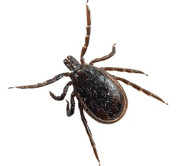
Several tick species are found across North America, and some can transmit diseases to people and animals. Blacklegged ticks, also known as deer ticks, can transmit Lyme disease. American dog ticks can transmit Rocky Mountain spotted fever, while lone star ticks are associated with certain allergic reactions and other illnesses. Brown dog ticks can infest indoor environments, particularly where dogs live. Identifying the type of tick and understanding where it is active can help determine the most appropriate treatment approach.
How Much Does Professional Tick Control Cost?
The cost of professional tick control depends on the size of your property, the severity of the problem, the treatment area, and the services included. A single tick treatment may cost approximately $150 to $400, while recurring seasonal or annual programs may range from $300 to $800. These figures are general estimates rather than guaranteed prices. Actual costs vary by location and pest control provider.
Property size is one of the main factors affecting tick extermination costs. Larger yards, wooded lots, landscaped gardens, and properties with extensive vegetation may require more labor and treatment materials. Smaller yards may cost less to service, although the price also depends on the number of areas that need attention and the extent of tick activity.
The severity of the infestation can also affect the final price. Limited outdoor tick activity may require a different treatment plan from a recurring problem involving several areas of the yard or an indoor infestation. A pest control professional can inspect the property, identify likely tick habitats, and recommend a treatment plan based on the conditions found.
The type of treatment and the number of visits can influence the overall cost as well. Some properties may benefit from a single service, while others may require follow-up inspections or seasonal treatments. When comparing estimates, ask which areas are included, whether follow-up visits are covered, and what precautions are necessary for children, pets, and other household members.
Professional tick control can be a useful part of reducing exposure to ticks around a home. However, no treatment can guarantee that a property will remain completely tick-free. Comparing the service details, treatment methods, and prevention recommendations can help you choose a provider that meets your needs and budget.
Benefits of Hiring a Professional Tick Exterminator
A professional tick exterminator can help locate areas where ticks are likely to be present and recommend appropriate control measures. Common outdoor habitats include tall grass, shaded vegetation, leaf litter, brush, and the boundaries between lawns and wooded areas. Indoor inspections may be appropriate when ticks are repeatedly found inside a home or when pets may be carrying them indoors.
Professional pest control services can also help homeowners understand which treatment options are suitable for their property. Depending on the situation, a provider may recommend targeted pesticide applications, habitat reduction, indoor cleaning measures, or a combination of approaches. Treatment selection should account for the location of tick activity, the presence of pets and children, and the product label instructions.
Hiring a professional can save time when tick activity continues despite routine yard maintenance or over-the-counter products. An experienced technician can assess the problem and explain which areas need attention. Before scheduling service, ask about the proposed treatment, expected results, follow-up recommendations, and any precautions required after application.
Signs You May Need Tick Extermination Services
Recognizing signs of tick activity early can help you decide when to arrange a property inspection. Finding ticks repeatedly on people or pets after spending time outdoors may indicate that ticks are active in the surrounding environment. Frequent encounters near the lawn, garden, patio, or wooded edges may warrant a closer look at the property.
Finding a tick crawling on a carpet, curtain, wall, or piece of furniture may indicate that it was carried indoors on clothing, a pet, or another host. A single tick does not necessarily mean that your home is infested. However, repeated indoor sightings, particularly around pet resting areas, may justify an inspection to determine whether a more persistent problem exists.
Pets can bring ticks into the home after spending time in grassy or wooded areas. Check your dog or cat regularly for ticks, especially after outdoor activities. If you notice ticks on your pet, consult a veterinarian about suitable prevention and removal methods. Persistent tick activity around pet bedding or indoor resting areas may also require professional pest control advice.
Properties bordering wooded areas, overgrown vegetation, or wildlife habitats may have a greater chance of encountering ticks. Deer, rodents, and other wildlife can contribute to tick activity around residential properties. Keeping vegetation managed and reducing suitable tick habitats can help lower the likelihood of encounters, although these measures cannot eliminate all risk.
Health Risks Associated With Ticks
Ticks can transmit several diseases, depending on the species and region. These include Lyme disease, Rocky Mountain spotted fever, ehrlichiosis, and babesiosis. Not every tick carries a disease, and not every tick bite leads to illness, but prompt attention to a suspected tick bite is important.
Some tick-borne illnesses can cause symptoms such as fever, fatigue, headache, muscle aches, or a rash. Symptoms and timing vary by disease, and a rash does not always appear. If you develop symptoms after a possible tick bite, contact a healthcare professional promptly rather than waiting for a property treatment to resolve the concern.
Ticks can also affect household pets. Dogs and cats may experience irritation from bites and can be exposed to tick-borne illnesses. Contact a veterinarian if you find ticks on your pet or notice concerning symptoms. Pest control treatments around the home and yard should complement, not replace, veterinary-recommended tick prevention.
How Professional Tick Control Works
A professional tick control service typically begins with an assessment of the areas where ticks have been found and the conditions that may support their activity. Outdoors, a technician may examine shaded landscaping, tall grass, leaf litter, brush, woodpiles, and the edges of wooded areas. If ticks are being found indoors, the inspection may also consider pet resting places, carpets, furniture, and other areas where ticks could have been carried.
After the inspection, the pest control provider can recommend a treatment plan based on the property and the extent of the problem. Outdoor tick control may involve targeted applications to suitable areas where ticks are likely to be active. Indoor treatment, when necessary, depends on the type of tick and the location of the infestation. Not every property requires both indoor and outdoor pesticide applications.
Some situations may require follow-up service to assess whether tick activity has decreased and determine whether additional treatment is appropriate. Ask the provider how the treatment will be applied, what results you can reasonably expect, and whether repeat visits are included in the quoted price.
Before any pesticide is applied, follow the product label and the technician's instructions regarding people, pets, treated surfaces, and re-entry. Do not assume that a product described as natural, organic, or eco-friendly is automatically harmless. Ask the provider to explain the precautions that apply to the specific product being used.
Outdoor Tick Prevention for Your Yard
Reducing suitable tick habitats is an important part of an ongoing tick prevention plan. Keep grass trimmed, remove accumulated leaf litter, and manage overgrown vegetation around frequently used outdoor spaces. Trimming shrubs and maintaining the edges of lawns can make it easier to identify areas where ticks may be present.
Where appropriate, a defined border of gravel or wood chips between a lawn and wooded vegetation may help separate recreational areas from tick habitat. Store firewood neatly and avoid allowing brush or leaf piles to accumulate near the home. These steps can reduce favorable hiding places, but they do not guarantee that ticks will stay away.
Wildlife can carry ticks onto residential properties, so reducing conditions that attract rodents and other unwanted animals may also help. Secure garbage, avoid leaving pet food outdoors, and address gaps or openings that allow animals to enter structures. A pest control professional can offer property-specific advice when wildlife or rodent activity is contributing to the problem.
How to Protect Your Family and Pets From Ticks
Regular tick checks are useful after spending time outdoors, especially in grassy, brushy, or wooded areas. Check clothing and exposed skin, and examine pets after outdoor activities. Showering after coming indoors and promptly checking for ticks can help you identify a tick before it remains attached for an extended period.
Wear appropriate outdoor clothing and use a tick repellent according to its label directions. Products containing DEET or other registered active ingredients may help reduce tick bites when used correctly. Permethrin-treated clothing and gear can provide another option when used according to the product label; permethrin products intended for clothing should not be applied directly to skin.
Ask your veterinarian to recommend tick prevention suitable for your dog or cat. Options vary by animal and product, and a treatment that is suitable for one pet may not be appropriate for another. Combining pet protection, regular tick checks, yard maintenance, and professional treatment when needed can help reduce tick encounters.
Choosing a Tick Control Company
When comparing tick exterminators, look for a provider that explains its inspection process, treatment options, and pricing before work begins. Ask whether the estimate covers the full yard, specific outdoor areas, indoor treatment if needed, and any follow-up visits. Clear service details make it easier to compare companies and understand what you are paying for.
It is also important to ask about licensing where required, the products that may be used, and the safety instructions that apply to your property. A reliable provider should be willing to explain the treatment plan and provide practical recommendations for reducing tick habitats after service.
Because tick activity can return when wildlife, pets, or outdoor conditions introduce new ticks, be cautious of claims that promise permanent elimination. A good tick control plan focuses on reducing current activity, addressing likely habitats, and helping you lower the risk of future encounters.